HQTS:
Today we are talking with Brett Horn. Brett is the founder of Charlie’s House, a nonprofit focused on preventing in-home accidents. Brett, thank you for joining us.
To get started, for those who are new to Charlie’s House, can you tell us a little bit more about who you are and what Charlie’s House does?
Brett:
My name is Brett Horn, and I am a child safety advocate. I was brought into this work through a personal tragedy in 2007, when I lost my son Charlie to a furniture tip-over accident. Since then, I have dedicated my life to preventing accidents in and around the home, and founded an organization called Charlie’s House — a 501(c)(3) nonprofit in the United States.
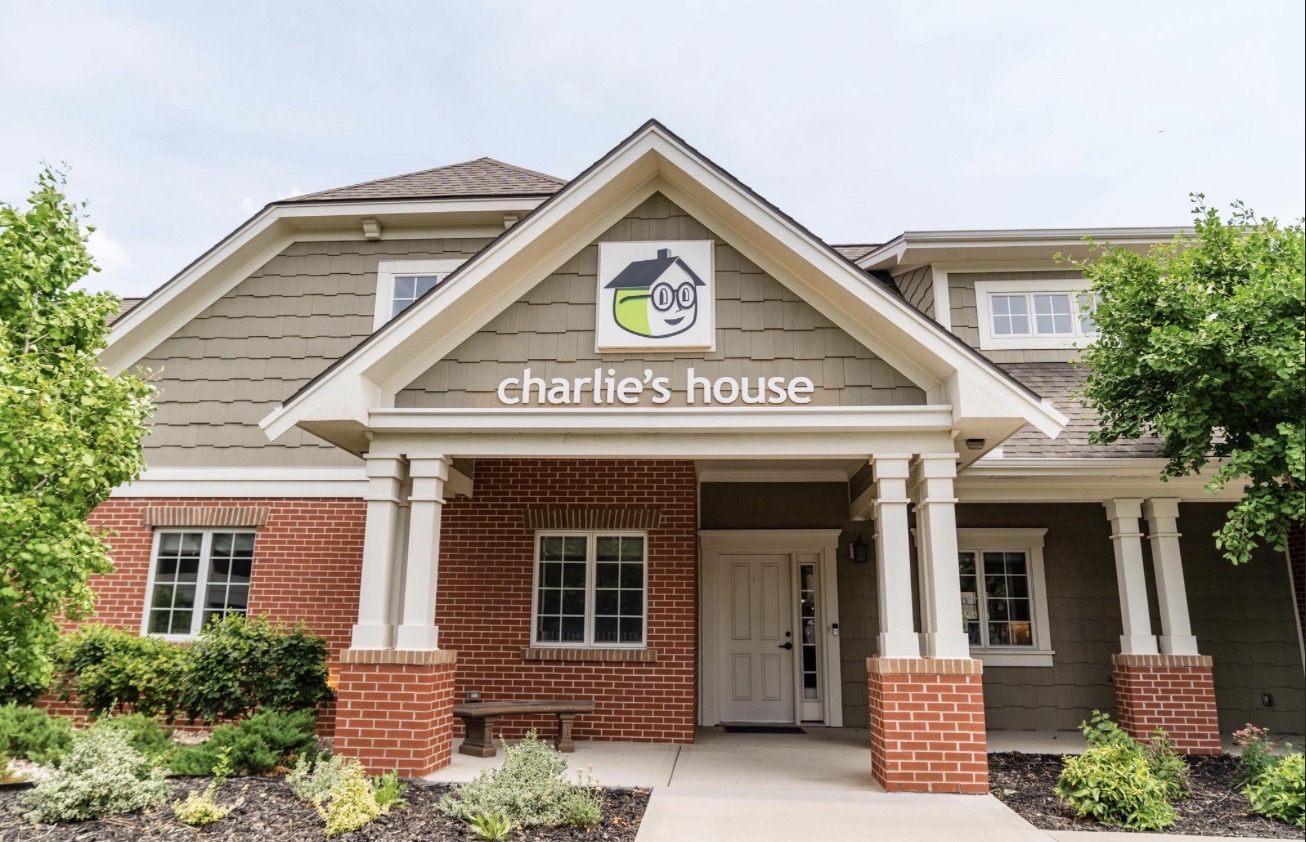 Our mission is to prevent accidents and injuries to children in and around the home. We do that through a variety of means, primarily our Safety Demonstration House, the Virtual Safety Experience, and outreach programs that connect with parents and caregivers across the communities we serve.
Beyond the organization itself, I have also become a product safety specialist, working and volunteering with manufacturers — juvenile products in particular — as well as major retailers, online marketplaces, and an international consumer product health and safety organization.
HQTS:
You founded Charlie’s House after the loss of your son in 2007. Since then, a quote you have used is that you have been “turning tragedy into a mission.” When did you realize that in-home accidents were a bigger issue than you had anticipated, or an issue that wasn’t receiving adequate news coverage, resources, or attention?
Brett:
On November 1st, 2007, I received the phone call that no parent ever wants to get. There had been an accident in my home. The nanny had discovered my two-and-a-half-year-old son, Charlie, pinned underneath a dresser after he had woken up from a nap. It was a life-changing moment. We lost Charlie that day. My wife and I were parents of four young children at the time, and we believed we had done everything appropriate to childproof our home and make it a safe environment.
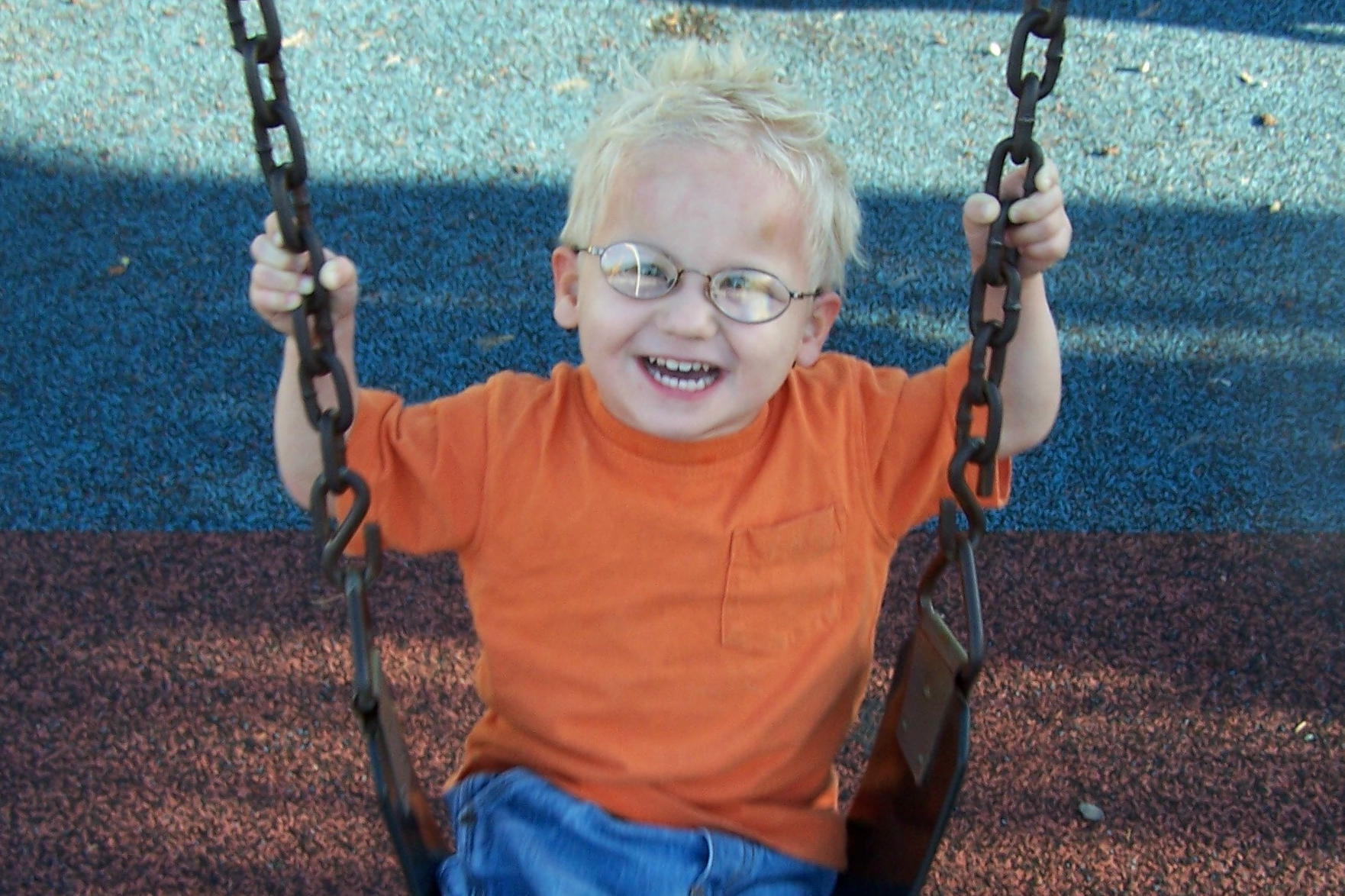 We had no idea that a piece of furniture (one that was only 30 inches tall) could tip over and harm, let alone kill, one of our kids.
From that point, we launched ourselves into educating parents. There was a preventive action that could have been taken that we were simply unaware of: anchoring furniture to the wall. That realization is what led us to found Charlie’s House, to educate other parents and caregivers, and to make sure this tragedy didn’t happen to another family.
Several years after founding the organization, I became more deeply interested in the broader product safety world and realized that Charlie’s accident was far from isolated. The CPSC had estimated that between 2000 and 2019, 459 children in the U.S. alone died from clothing storage units (dressers and similar furniture). This was not a freak accident. While statistically rare, the numbers were far too significant to ignore.
That led me to engage in the voluntary standards process, specifically for clothing storage units and dressers, to push for more rigorous standards ensuring that manufacturers and suppliers were producing tip-resistant products designed with child safety in mind. That work has since expanded into many other product categories as well.
HQTS:
Building on that point, it has been almost 20 years since the death of Charlie. Looking back over that time, what resources exist now that weren’t available then? And what support was formally available for people in that situation compared to what is available today?
Brett:
In 2007, guidance on furniture tip-overs was essentially non-existent, and guidance on safe sleep looked quite different than it does now. I’ll use those as two separate examples, because child safety isn’t necessarily black and white. There are a lot of gray areas, particularly as new products and new developments in manufacturing continually change what ends up in our homes.
Taking furniture as an example I know well: furniture tip-overs were extremely rare before the 1990s. The first recorded incident in the U.S. was in the late 1990s, and that timing is not a coincidence. Furniture manufacturing shifted from domestic to overseas production during the 1980s and early 1990s. Consumers wanted more affordable products, but producing them affordably required making them lighter for shipping. Unfortunately, that change in manufacturing created a problem where one hadn’t existed before. My son was a casualty of that shift.
The same dynamic can occur with product innovation more broadly. A manufacturer might develop a product genuinely intended to help parents, perhaps around infant sleep, without fully anticipating the new risks they are introducing. It is an interesting and important space to be involved in for that reason.
HQTS:
You mentioned differences not just in furniture but also in baby products and sleeping positions. Beyond nursery furniture, parents deal with smaller juvenile gear like teethers, strollers, and baby loungers. From a prevention standpoint, what are the critical but hidden material or design flaws that safety testers and manufacturers should be looking for to ensure these products are truly safe?
Brett:
It is not just heavy furniture that tips over. All furniture can tip over depending on how it is manufactured. In fact, lighter furniture can tip more easily than heavier pieces. It all comes down to the shift in the tipping point when drawers are pulled out. I just want to make sure that framing is accurate, because it matters.
On your broader question, when designing any product intended for use by infants or children, manufacturers need to account for how infants and children actually behave. Infants put everything in their mouths. Toddlers are unstable by nature and grab onto furniture and objects around them for support. Infants have difficulty rolling over. The way a child moves through the world is fundamentally different from how an adult does. So when designing products for parents’ convenience, whether related to sleep, feeding, or anything else, manufacturers have to take due diligence to address those human factors.
The other important point is that even products not designed specifically for children need to account for them. Children are in our homes. They explore their environment. A dresser is not a children’s product, but a child’s behavior should still be considered in its design. To put it simply: don’t just design for convenience. Design with the safety of your own child in mind. That is a message I would repeat to any manufacturer, domestic or overseas.
I would also add that regulations and standards can change significantly and sometimes rapidly. The U.S. represents about 4% of the global population but accounts for roughly a third of global household spending. If you are planning to sell in the U.S. or any major market, take the time to investigate the regulations and standards that govern that market. It is not optional.
HQTS:
Still on the topic of furniture, and thinking about designing for children rather than just around them: I want to talk about the furniture industry and recalls. I’m thinking specifically of the MALM dresser from IKEA, which was recalled between 1985 and 2016, and the widespread recall of drop-side cribs in the 2010s. What are the most important things for designers, manufacturer teams to keep in mind when developing furniture products for environments where children are present?
Brett:
First, I want to put the IKEA and MALM dresser situation into context. IKEA was not a larger part of the problem than the rest of the industry. They were simply the largest player in the market, and so their recall drew the most attention. They absolutely had a problem, and those recalls involved injuries and, unfortunately, deaths. But they were a symptom of an industry-wide issue. I believe the problem was proportionate to sales volume across the board. The product that killed my son was not an IKEA product.
On the design question more broadly: I touched on some of this in my last answer, but the other thing I would say to manufacturers is don’t wait to act. With the furniture tip-over problem specifically, I believe many of the players involved in the voluntary standards process were genuinely trying to find solutions. However, there were also intentional delays in advancing those solutions, driven by supply chain concerns or commercial convenience on the industry’s part. And what happens during those delays are additional injuries and additional deaths.
If there is a known problem, investigate it and act quickly. No one wants a child harmed, not a manufacturer, not a supplier, not an online marketplace. So if a problem is identified, don’t let the process drag out. Move.
HQTS:
Given the nature of HQTS and the services we provide, quality and product safety are at the heart of what we do. When it comes to furniture testing, especially for products that may be used around children, what are the key safety considerations companies should keep in mind?
Brett:
I would say that 16 CFR 1261, which is the federal regulation and aligns with ASTM F2057-22, should be understood as the floor, not the ceiling. It is not a goal to aspire to. It is the minimum.
Since the passage of the STURDY Act, we have seen an influx of fabric drawer units being marketed and sold as dressers. Some of these products are being advertised as weighing under 30 pounds specifically to avoid testing requirements. I want to be clear that I am not commenting on whether those products should or should not be sold. But lightweight furniture can tip more easily than traditional clothing storage units, and the hazard pattern is real. I do not believe these products are causing fatalities at the same rate, but they are causing injuries, often because of a disproportionately heavy top relative to the base.
The dresser that killed my son was exactly 30 inches tall. At the time, the standard required testing for units above 30 inches. The manufacturer, a U.S. company producing overseas, claimed they were not required to meet stability standards because the product measured exactly 30 inches, and technically, they were correct. Morally, they were not. That product killed my child.
The standard has since been updated to 27 inches and above, which reflects progress. But the broader point stands: when you know better, you do better. I believe most manufacturers, wherever they are located, understand that stability in clothing storage units is a serious issue. Any regulation sets the floor. The responsibility to go beyond it rests with the manufacturer.
HQTS:
You mentioned the STURDY Act, which I want to touch on because I think it is really significant. The STURDY Act was signed into law in 2022 and took effect in 2023. For those unfamiliar, what is the STURDY Act and why does it matter?
Brett:
The STURDY Act is a piece of federal legislation in the United States that directed the CPSC to enact stricter stability standards for furniture. As part of that direction, the law allowed the CPSC to defer to a voluntary standard if it was deemed sufficient. That deference ultimately pointed to ASTM F2057.
The backstory is important. For decades, industry had delayed meaningful advancement of the furniture stability standard at the voluntary standards level through ASTM. The CPSC, for its part, had also failed to take meaningful action. In response, a group of parent advocates, led by myself under the banner of Parents Against Tip-Overs, began pushing for federal legislation that would bring all of these efforts together and require furniture to be made in a genuinely more stable way.
What STURDY changed in practical terms is significant. Before the law, furniture was not tested with clothes inside it, meaning drawers were tested empty rather than under realistic load conditions. It was not tested with multiple drawers open simultaneously, even though that is exactly how tip-overs occur in real homes. It was not tested on carpeted or rug surfaces, despite that being a common real-world scenario. And it did not account for the force a heavier child today might apply when pulling on a dresser.
All of that has now changed. The current standard addresses each of those scenarios. It is not a perfect standard, and as I said before, it is the floor rather than the ceiling. But it has significantly improved the stability of products that fall within its scope.
HQTS:
I want to talk a little about the process of getting the STURDY Act passed, because American legislation is always an interesting story. What did that process actually look like?
Brett:
Great question. In the U.S., legislation is deeply political, and votes often fall along party lines. The STURDY Act was no exception, though it eventually found a path through.
The bill had previously passed a Democrat-controlled House, which was not particularly difficult for a child safety issue in that environment. However, when I became more deeply involved in the advocacy effort, the Senate was controlled by Republicans, a more conservative and business-friendly majority. I should say that I am a Republican. I am a conservative. I am a businessman, and I understand the desire for less regulation. But when children are dying, there is an exception to that principle.
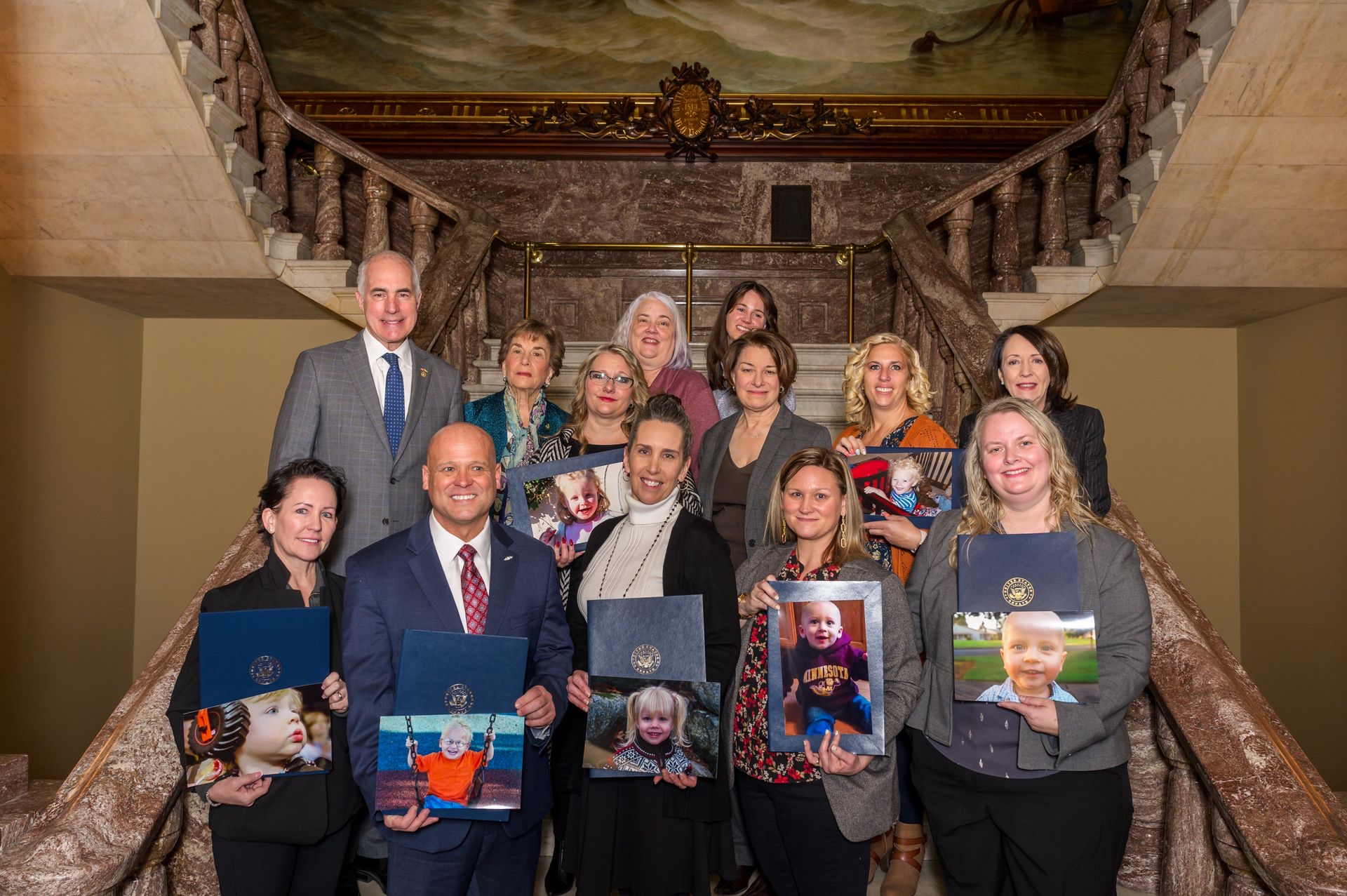
We began reaching out to Senate offices, advocating directly for the passage of STURDY and for tougher stability standards. What ultimately made it possible was building consensus with industry stakeholders, specifically IKEA and AHFA (American Home Furnishings Alliance). We negotiated language that represented a genuine compromise. As with any real compromise, I don’t think everyone left the table fully satisfied, but we reached agreement on things like implementation timelines and what the standard would ultimately require. That cross-aisle consensus came from engaging both consumer advocates and industry, and finding common ground that meaningfully raised the bar for safety.
The way I like to describe it: if a perfect furniture stability standard is a 10, the old standard was a 2. What we landed on with STURDY is a 7 or an 8. Not perfect, but a significant and badly needed leap forward.
HQTS:
You touched on something I want to explore further. IKEA was notably supportive in getting the STURDY Act passed, but I imagine there were also companies and groups in opposition. How were you actually able to bring those parties to the table and reach an agreement? How did you overcome that opposition?
Brett:
In many cases, the opposition was sitting right across from us at the table. Rather than working around them, we sat down with them directly and worked toward a more effective solution together.
It took a combination of approaches. Media attention and public awareness were important tools. Raising the profile of the issue mattered, because while furniture tip-overs were still statistically rare, the human cost was real. We had to share our stories to make that visible, and to help people understand that these numbers represent actual children and families.
But awareness alone was not enough. We also had to accept that no single party was going to push this through Congress alone. That meant sitting down with the manufacturers and trade associations who had opposed the legislation and working toward a compromise both sides could live with. Ultimately, that is how it got done.
HQTS:
Last question on STURDY. The law took effect in 2023, and we are now midway through 2026, so it has been about three years. What impact have you seen it make?
Brett:
The supply chain for a durable product like clothing storage units is a lengthy one, so the full picture is still coming into focus. That said, based on data I have seen, I do believe STURDY has had a positive effect on traditional units that fall within its scope.
The one negative development, which I touched on earlier, is that we have seen an increase in products manufactured specifically to avoid testing requirements. Some fall outside the scope of the standard based on weight. Others try to argue that their drawer is technically a bin, which is a creative but ultimately unpersuasive use of the English language. The CPSC has largely resolved that particular argument. If it is designed as a dresser, looks like a dresser, and is intended to be used as a dresser, it is a dresser, regardless of how the drawer is constructed.
So if there has been one meaningful negative consequence of STURDY, it is the proliferation of units built around avoiding compliance rather than improving safety. Some of those products are getting through. Some are not. We are actively working on solutions to address that, and some measures have already been implemented through online marketplaces.
HQTS:
Going back to Charlie’s House, one of the things the organization is perhaps best known for is the Safety Demonstration House. Let’s start with the physical location in Kansas City. What is it and why was it developed?
Brett:
Charlie’s House is a 3,500 square foot facility designed to look like a typical suburban home in the United States. It functions as a community resource where parents, caregivers, and community partners can come for resources and education on how to properly childproof their home, understand common risks and hazards, and take concrete steps to prevent accidents.
It is a room-by-room experience. You begin in the nursery, where you learn about safe sleep, changing table safety, and other early childhood concerns. From there you move through the bathroom and bedroom, covering topics like co-sleeping risks, furniture tip-overs, drowning in bathtubs, and electrical hazards. The living room covers fireplaces, stair safety, and toy-related hazards. The kitchen addresses fire safety and choking. The laundry room touches on current topics as they emerge, things like the Tide Pod situation when that was relevant. And the tour wraps up in the garage, focusing on child safety in and around vehicles and ending with a call to action: go home and make your space safer. If a visitor takes even one or two tips home with them, that could be what saves a child’s life.
The idea took root shortly after Charlie’s accident, when the community rallied around our family. Our goal from early on was to build the first safety demonstration house in the United States. We have been officially open for over five years, welcomed thousands of visitors, and we do hope to replicate the model in other major population centers in the future.
HQTS:
We spoke previously with Bob (Renton), your director of operations, and he touched on the range of people who visit the house. But who is the Safety Demonstration House actually designed for? Is it built with a specific audience in mind, or is it meant to serve everyone?
Brett:
We designed it initially for parents and caregivers, but what we have learned over time is that there is a limit to how many families we can reach within a 30-minute drive of the facility. So one of the ways the house has become most productive is through partnerships with community stakeholders, social service agencies, and other child facing organizations.
Medical and nursing students are a good example. When they go on to work with parents directly, they can carry the same messages we share in the house and encourage families to visit. Parent educators are another group we work with regularly. They visit young families in their own homes, so if they come through Charlie’s House first, they can take that education out into the community themselves.
Beyond those groups, we also host transitional housing families and various other community organizations. Parents and caregivers are still very much part of our audience, but the house has grown into something that serves a much broader range of visitors than we originally anticipated.
HQTS:
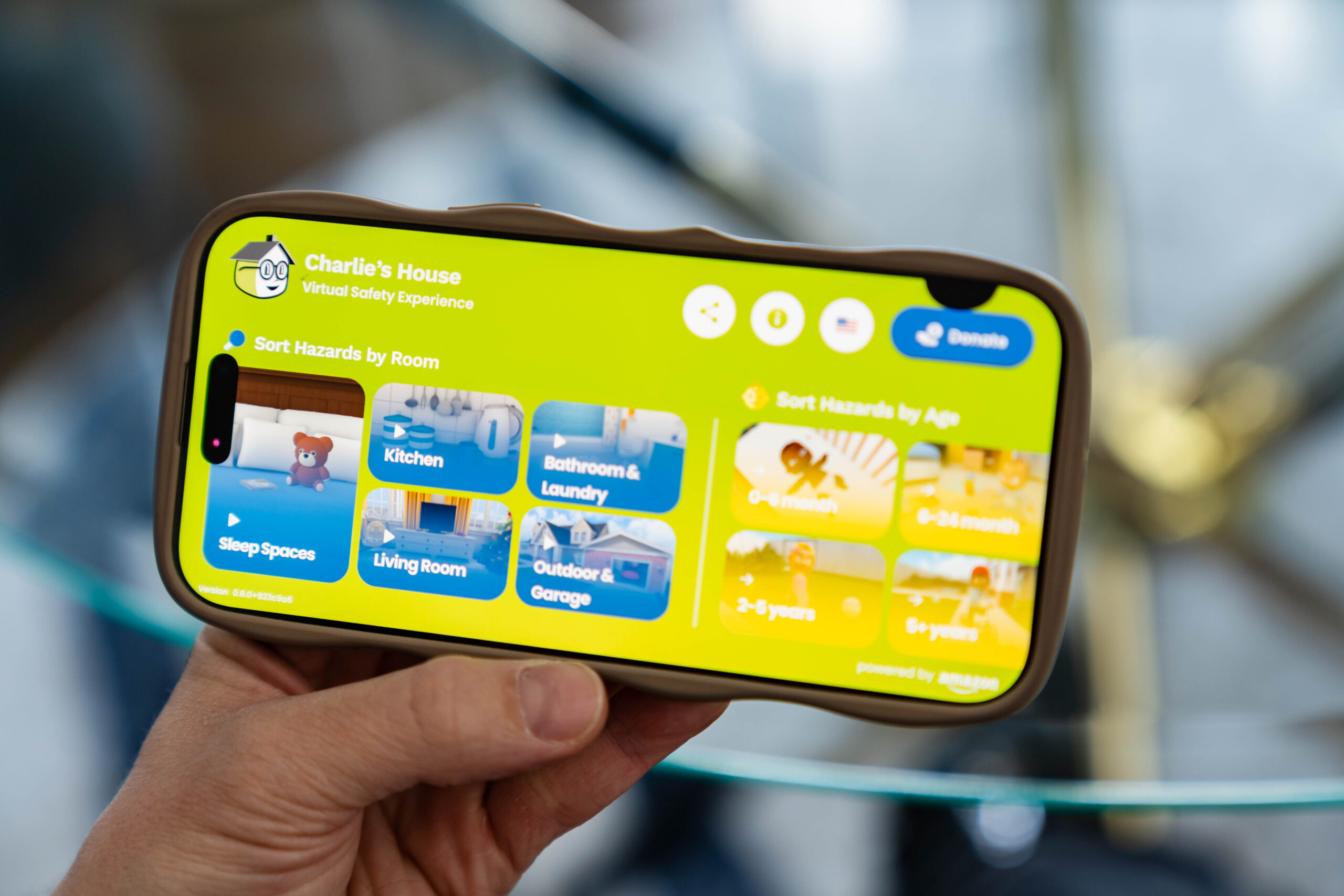
That leads perfectly into the next topic. Charlie’s House is based in Kansas City, but you’ve also developed a digital version of the Safety Demonstration House in partnership with Amazon. I actually tried it myself in the office. Why was it important to build a digital version alongside the physical one?
Brett:
I believe a physical experience is more individually impactful than a virtual one, however, a virtual experience can reach far more people. There are millions of new people born every single day, and a single facility in Kansas City, Missouri is simply not going to reach all of them.
 *Photography by Dani DeRuse
The answer was obvious. We partnered with Amazon, and are working with additional sponsors, and we successfully launched what I believe is the world’s best virtual safety demonstration home. From the comfort of your own home, or even from the hospital before you leave with your newborn, you can take a full tour of Charlie’s House, walk through the sleep spaces, and learn what every parent needs to know to create a safe environment for their child. The goal is to make that education available to anyone, anywhere, at any time.
HQTS:
You mentioned partnering with Amazon on the digital version. What guided the creative and design choices behind it? The Virtual Safety Experience has a distinct look: animated, bright, approachable. How did you land on that direction?
Brett:
We are still learning, honestly, but the core goal was to create an environment where parents were not scared off in the first two minutes. We wanted the experience to feel open and self-directed, so you can go into the living room, the kitchen, wherever you want, and explore whichever hazards are most relevant to you.
We also thought carefully about how information is delivered. We could have put text boxes under every icon and called it a day, but people learn differently. So some content is text, some is audio, and some is interactive. That variety was intentional.
As we continue developing new versions of the Virtual Safety Experience, the goal is to keep it fresh and evolving so it does not become a stagnant product that parents lose interest in quickly. That is an ongoing responsibility, not a one-time decision.
HQTS:
This is actually something I dealt with firsthand in the game industry: making something engaging enough for kids while also holding the attention of parents. How have you approached striking that balance, and where do you think there is still room to improve?
Brett:
Honestly, the verdict is still out. I do not think our product is accomplishing everything we want it to yet, though we have received some positive feedback.
The product is not intended for children, but we made a deliberate choice to use animated characters rather than real people. Part of that was practical: a character can be modified more easily, can speak any language, and does not carry the demographic assumptions that a real person on screen inevitably brings. A character is more universally neutral, and that was intentional.
Where I think we are falling short is in landscape diversity. The home depicted in Charlie’s House reflects a fairly typical Kansas City, middle-America suburban house. That does not translate well for people in apartments, or for audiences in England, Asia, or other parts of the world where homes look and function differently. We need to develop environments that reflect how people actually live in different regions, because the hazards can differ too.
The other area I want to improve is streamlining the entry experience. Attention spans are short, and if someone tours the full sleep spaces section, they may not have the patience to continue to the next room. I think we need better entry points. If a baby product manufacturer wants to direct a parent to Charlie’s House, they should be able to link them directly to the relevant content rather than routing them through the full introduction. That kind of targeted access would make the product significantly more useful, and it is something we are working toward.
HQTS:
I want to talk about Charlie’s House as an organization more broadly. Beyond home safety, you cover water safety, fire safety, vehicle safety, firearm safety, seasonal safety, and more. Why was it important to expand beyond just general home safety?
Brett:
Our mission is to prevent accidents and injuries to children in and around the home. That framing is intentional, and the “around the home” language does extend naturally into areas like child passenger and vehicle safety. But the broader reason we cover so many categories goes back to something we recognized early on.
The accident that took Charlie’s life involved a piece of furniture, but it could just as easily have been a drowning, a safe sleep incident, a fire, or an improperly installed car seat. If we were going to take the time to educate parents about keeping their children safe, it made no sense to limit that education to one specific hazard. We wanted to give parents the full picture, and that is where the mission has stayed.
HQTS:
That actually leads into something I noticed when I was exploring the Virtual Safety Experience. The kitchen section stood out to me, things like stove knob covers and how easy it is to overlook those details. More broadly, how do you make this kind of safety education actually stick with people? A pamphlet is easy to ignore. What does effective communication look like, both in the physical house and in the digital experience?
Brett:
They are two different challenges, and I think about them differently.
For the physical house, our team originally designed it to be self-guided. In practice, we have given very few self-guided tours. What we have found is that having a staff member or volunteer lead the group makes a significant difference. They can read the room, slow down on topics people are genuinely engaged with, skip past things that are landing flat, and make it hands-on in ways a sign or display cannot. Telling someone to go touch a stove knob cover and feel how it works is more effective than any explanation.
For the Virtual Safety Experience, the approach is about variety. Some content is text, some is audio, and some is interactive. The candy versus medicine experience is a good example of something that communicates a serious hazard in a way that actually engages people. Different hazards call for different formats, and we have tried to match those thoughtfully.
The other part of the answer is that both products need to keep evolving. Keeping things fresh is part of keeping people engaged. I have some ideas for where the Virtual Safety Experience goes next that I am excited about, but that is a conversation for another time.
HQTS:
What advancements do you have in mind for the virtual experience going forward?
Brett:
A few things are being considered. We want to make it more customizable by location, so the experience feels relevant regardless of where someone lives or what kind of home they are in.
We also want to make it more interactive and with more click throughs or downloads to resources and education. One idea I am particularly excited about is integrating a shopping experience directly into the app. If someone learns they need furniture anchors or doorknob covers, we want to be able to direct them immediately to a place where they can purchase those products. Closing that gap between awareness and action is something I think could make the tool significantly more effective.
HQTS:
The Charlie’s House team comes from a remarkably wide range of backgrounds, including legal, public health, and public administration. Bob, for example, mentioned working in firefighting and safety compliance for about 15 years before joining. When putting together this team, how did you approach that, and how has that combined experience shaped what Charlie’s House is able to do?
Brett:
Over our 18 years, we have had probably more than 100 board members rotate through the organization. Having a board that is both informed and genuinely passionate about safety is critical, not just for their engagement with the work, but for building the credibility that allows us to educate the public effectively.
The range of backgrounds was very much by design. When you are trying to cover the full spectrum of child safety, having expertise across medicine, emergency response, engineering, and other fields is not a nice-to-have. It is what makes the education we provide trustworthy and comprehensive.
HQTS:
Last question. Charlie’s House has reached well over 40,000 households, raised significant funding, and you have spent 18 years advocating through talks, partnerships, outreach, and the Safety Demonstration House. What is next?
Brett:
Any organization has to walk before it runs, and run before it sprints. We have a strong board of directors carefully determining our next steps, and we have touched on several of them today.
Continuing to develop and expand the Virtual Safety Experience is a high priority, both enhancing the experience itself and reaching new audiences across the country and around the world. But as the founder, the way I think about the question is this: there are 3.6 million babies born in the United States each year, and 132 million born worldwide. My hope is that eventually Charlie’s House can reach every one of them, every year, through the Virtual Safety Experience.
I also believe that physical houses in additional population centers would strengthen that mission. The two formats complement each other, and growing both is part of the long-term vision.
Will we ever reach every baby born? Probably not. But that is the goal, and as the founder I am allowed to dream a little.
For more information on Charlie’s House, visit charlieshouse.org.